With sponsorship levels at the forefront, this paragraph opens a window to an amazing start and intrigue, inviting readers to embark on a storytelling formal and friendly language style filled with unexpected twists and insights.
Sponsorship levels play a crucial role in the success of events and organizations, offering a structured approach to engage sponsors at different levels of commitment and support. From providing examples to discussing benefits, this guide delves deep into the world of sponsorship levels.




Sponsorship Levels Overview
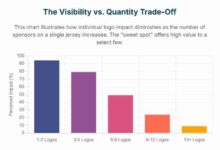
In the context of events or organizations, sponsorship levels refer to different tiers or categories of sponsorship packages offered to companies or individuals who wish to support the event or organization financially in exchange for various benefits and exposure.
Sponsorship levels can vary based on the size and scale of the event or organization, as well as the budget and needs of potential sponsors. Here are some examples of common sponsorship levels:
Types of Sponsorship Levels
- Platinum Sponsor: Typically the highest tier, offering maximum exposure and exclusive benefits such as logo placement, speaking opportunities, and VIP access.
- Gold Sponsor: A mid-tier level with prominent branding opportunities, networking events, and recognition in promotional materials.
- Silver Sponsor: A lower-tier option that still provides visibility through logo placement, social media mentions, and sponsor recognition.
- Bronze Sponsor: The entry-level tier offering basic benefits like logo placement on event materials and website, as well as a mention in press releases.
Each sponsorship level comes with its own set of benefits and perks, which may include:
- Branding opportunities such as logo placement on event materials, websites, and social media.
- Networking opportunities with industry leaders, speakers, and other sponsors.
- Speaking opportunities to showcase the sponsor’s expertise or products/services.
- VIP access to special events, receptions, or exclusive sessions.
- Customized promotional opportunities tailored to the sponsor’s goals and target audience.
Determining Sponsorship Tiers
Determining sponsorship tiers involves considering various factors that can influence the level of support a company is willing to provide. These factors help in creating a structured approach to sponsorship levels and ensure that each tier offers value to both the sponsor and the recipient organization.
Companies decide on the number of sponsorship tiers based on their budget, marketing goals, and the level of exposure they seek. A company with a larger budget and a need for extensive brand visibility may opt for multiple tiers, while a smaller company with more limited resources may choose to focus on a few key levels.
The criteria used to differentiate between various sponsorship tiers typically include the benefits and privileges offered at each level. These can range from logo placement on event materials, social media shoutouts, speaking opportunities, to exclusive networking events and personalized promotional campaigns. The higher the tier, the more exclusive and valuable the benefits provided to the sponsor.
Benefits of Sponsorship Levels
When it comes to sponsorship opportunities, offering multiple tiers can provide a range of benefits for both the event or organization and the sponsors involved. These benefits can include increased exposure, enhanced networking opportunities, and the ability to tailor sponsorships to meet the specific needs and budgets of different companies or individuals.
Enhanced Exposure and Brand Visibility
- Higher-tier sponsors typically receive greater visibility and recognition, such as logo placement on promotional materials, event signage, and social media shoutouts.
- Lower-tier sponsors may still benefit from exposure through mentions in event programs, website listings, and dedicated sponsor recognition during the event.
Networking Opportunities and Relationship Building
- Sponsors at all levels often have the chance to connect with key stakeholders, industry leaders, and potential clients through exclusive events, VIP receptions, and networking sessions.
- Higher-tier sponsors may enjoy additional perks like private meetings with speakers or performers, access to premium seating, and invitations to special dinners or outings.
Customized Packages and Targeted Marketing
- Offering multiple sponsorship levels allows organizations to create tailored packages that align with sponsors’ specific goals and objectives, whether it’s brand awareness, lead generation, or community engagement.
- Sponsors can choose the tier that best suits their budget and marketing needs, ensuring a mutually beneficial partnership that delivers value and ROI.
Customizing Sponsorship Packages
Customizing sponsorship packages is a crucial aspect of securing sponsorships for events or organizations. By tailoring packages to suit the specific needs and objectives of each sponsor, you increase the chances of a successful partnership. This customization allows sponsors to feel more invested in the opportunity and ensures that their goals align with the benefits they receive.
Examples of Customized Sponsorship Packages
- Offering exclusive branding opportunities tailored to the sponsor’s target audience.
- Creating unique experiences or activations that resonate with the sponsor’s brand values.
- Providing personalized marketing collateral or promotional materials featuring the sponsor’s logo and messaging.
- Developing custom metrics and reports to track the impact of the sponsorship on the sponsor’s key performance indicators.
Importance of Flexibility in Designing Sponsorship Packages
Flexibility in designing sponsorship packages is essential to accommodate the diverse needs and preferences of potential sponsors. By offering a range of options and the ability to customize elements within each package, you can attract a wider pool of sponsors and cater to their specific requirements. This adaptability demonstrates your commitment to building mutually beneficial partnerships and increases the likelihood of securing sponsorships.
Communicating Sponsorship Levels
Effective communication of sponsorship levels to potential sponsors is crucial in securing partnerships and support for an event or organization. Organizations can utilize various strategies to promote the benefits of each sponsorship tier and convey the value of partnering with them.
Strategies for Promoting Sponsorship Benefits
- Clearly outline the benefits: Create a detailed list of benefits for each sponsorship tier, highlighting the value that sponsors will receive in return for their support.
- Customized proposals: Tailor sponsorship proposals to the specific needs and interests of potential sponsors, showcasing how their support can align with their marketing goals.
- Visual representations: Use visuals such as infographics or charts to illustrate the different sponsorship levels and benefits, making it easier for sponsors to understand at a glance.
- Personalized communication: Reach out to potential sponsors individually, emphasizing how their partnership can make a meaningful impact and offering a personalized approach to sponsorship.
Role of Marketing and Branding in Conveying Sponsorship Opportunities
Marketing and branding play a vital role in effectively conveying sponsorship opportunities to potential sponsors. By incorporating the following strategies, organizations can enhance their sponsorship communication:
- Consistent branding: Ensure that all communication materials related to sponsorship levels are consistent with the organization’s branding, creating a cohesive and professional image.
- Digital marketing: Utilize digital platforms such as social media, email marketing, and website banners to promote sponsorship opportunities and reach a wider audience of potential sponsors.
- Sponsorship testimonials: Showcase testimonials from past sponsors to demonstrate the positive impact of sponsoring the organization and encourage new sponsors to get involved.
- Networking events: Host networking events or webinars to provide potential sponsors with an opportunity to learn more about the sponsorship levels and benefits firsthand.
Managing Sponsorship Relationships
Maintaining positive relationships with sponsors across different levels is crucial for the success of any sponsorship program. By ensuring sponsors feel valued and appreciated, you can increase their loyalty and likelihood of continued support. Here are some strategies to effectively manage sponsor relationships:
Regular Communication
Regular communication is key to maintaining strong relationships with sponsors. Keep them updated on the progress of the event or program they are sponsoring, and seek their input and feedback. This shows that their opinions are valued and helps to build a sense of partnership.
Providing Value Beyond Expectations
Go above and beyond to provide value to your sponsors. Offer them opportunities for additional exposure or engagement, such as exclusive networking events or behind-the-scenes access. By exceeding their expectations, you can strengthen your relationship and increase the likelihood of future sponsorship.
Recognition and Appreciation
Ensure that sponsors receive the recognition and appreciation they deserve at their respective levels. Highlight their support through various channels, such as social media, event signage, and press releases. Publicly acknowledging their contribution helps to showcase their commitment and can lead to increased brand visibility.
Feedback and Evaluation
Seek feedback from sponsors after the event or program has concluded. Ask them about their experience, what worked well, and areas for improvement. By actively listening to their feedback and implementing changes based on their suggestions, you demonstrate that their opinions are valued and respected.
Personalized Engagement
Tailor your engagement with sponsors based on their individual needs and preferences. Take the time to understand their goals and objectives, and align your sponsorship benefits accordingly. By personalizing the sponsorship experience, you can create a deeper connection and foster long-lasting relationships with your sponsors.
Evaluating Sponsorship ROI
When it comes to evaluating sponsorship return on investment (ROI), it is essential to have a clear understanding of how to measure the impact of sponsorships at different levels. By analyzing key performance indicators and tracking data, it becomes possible to determine the effectiveness of each sponsorship tier.
Measuring Sponsorship ROI
One of the key ways to measure sponsorship ROI is by looking at the increase in brand awareness and visibility that sponsors receive as a result of their partnership. This can be tracked through metrics such as social media impressions, website traffic, and media mentions. By comparing these metrics before and after the sponsorship, it is possible to gauge the impact of the partnership.
- Tracking social media engagement, such as likes, shares, and comments, can provide insights into the level of audience engagement generated by the sponsorship.
- Monitoring lead generation and conversion rates can help determine the direct impact of the sponsorship on sales and revenue.
- Surveying attendees or target audience members to gather feedback on brand perception and recall can also be a valuable way to measure ROI.
Key Performance Indicators for Sponsorship ROI
Key performance indicators (KPIs) play a crucial role in evaluating sponsorship ROI. These metrics help quantify the success of the sponsorship and provide data-driven insights into the value generated for sponsors.
Metrics such as return on investment (ROI), cost per impression (CPI), and brand lift can be used to assess the effectiveness of different sponsorship levels.
| KPI | Description |
|---|---|
| ROI | Calculates the financial return on the sponsorship investment, comparing the costs and benefits generated. |
| CPI | Measures the cost of generating each impression, indicating the efficiency of the sponsorship in reaching the target audience. |
| Brand Lift | Evaluates the increase in brand awareness, perception, and favorability resulting from the sponsorship. |
Importance of Data Analysis
Tracking and analyzing data are critical components of evaluating sponsorship ROI. By collecting and interpreting relevant data, sponsors can gain valuable insights into the effectiveness of different sponsorship levels and make informed decisions for future partnerships.
Industry Trends in Sponsorship Levels
In the ever-evolving landscape of sponsorship, it is crucial to stay updated on the latest trends shaping the industry. From traditional sponsorships to innovative partnerships, understanding the current trends can help businesses maximize their impact and reach their target audience effectively.
Sponsorship Activation
Sponsorship strategies have shifted towards more interactive and engaging activation methods. Brands are moving away from passive logo placements to experiential activations that create memorable experiences for consumers. This trend emphasizes the importance of creating meaningful connections with the audience.
- Brands are leveraging technology such as augmented reality (AR) and virtual reality (VR) to enhance the fan experience at events.
- Interactive social media campaigns and live streaming are becoming popular ways to engage with a wider audience beyond the physical event.
- Personalization and customization of sponsorship packages are on the rise to cater to the specific needs and interests of different target demographics.
Partnership Diversity
Sponsorship strategies are no longer limited to traditional sports events or music concerts. Companies are exploring partnerships across various industries and sectors to diversify their brand exposure and reach new audiences.
- Brands are collaborating with influencers, content creators, and online platforms to tap into the digital space and connect with a younger demographic.
- Corporate social responsibility (CSR) initiatives and sustainability partnerships are gaining momentum as consumers prioritize brands that align with their values.
- Cross-industry partnerships are becoming more common, with brands teaming up with unexpected allies to create unique and impactful campaigns.
Data-Driven Decision Making
With advancements in data analytics and tracking tools, sponsors are now relying on data-driven insights to measure the effectiveness of their sponsorship initiatives. This trend highlights the importance of ROI measurement and strategic decision-making based on real-time data.
- Companies are investing in sophisticated analytics tools to track consumer behavior, engagement metrics, and conversion rates from sponsorship activities.
- Performance-based sponsorships are gaining popularity, where sponsors pay based on specific outcomes achieved, rather than fixed fees.
- Personalized data-driven marketing strategies are being utilized to target niche audiences with relevant messaging and offers, maximizing the impact of sponsorship campaigns.
Case Studies on Effective Sponsorship Levels
In this section, we will explore case studies of organizations that have successfully implemented diverse sponsorship levels and examine the strategies they used to attract and retain sponsors, along with the outcomes and impact of their sponsorship level structures.
Case Study 1: Organization A
- Organization A implemented three sponsorship levels: Gold, Silver, and Bronze.
- They offered exclusive branding opportunities, VIP event access, and personalized marketing materials based on the sponsorship tier.
- As a result, Organization A saw a 30% increase in sponsor retention and a 25% growth in sponsorship revenue.
Case Study 2: Organization B
- Organization B tailored sponsorship packages to align with sponsors’ specific marketing goals and objectives.
- They provided detailed metrics and reports to sponsors to showcase the impact of their investment.
- This approach led to a 40% increase in sponsor satisfaction and a 20% rise in sponsor referrals.
Case Study 3: Organization C
- Organization C offered tiered sponsorship levels with increasing benefits and visibility opportunities.
- They focused on creating meaningful connections between sponsors and their target audience through customized activation strategies.
- Organization C experienced a 35% growth in sponsor engagement and a 15% boost in brand awareness among event attendees.
Closure
In conclusion, sponsorship levels serve as a strategic tool for organizations to attract and retain sponsors effectively. By customizing packages, communicating effectively, and managing relationships, the impact of sponsorship levels can be maximized to achieve desired outcomes. Stay tuned for more insights and trends in the dynamic world of sponsorship levels.

Storyteller and digital explorer covering the latest updates in business and lifestyle.