Looking for sponsorship money opens doors to countless opportunities for individuals and organizations seeking financial support. From researching potential sponsors to negotiating agreements, this comprehensive guide covers all aspects of securing sponsorship funds.
Researching Sponsorship Opportunities
When looking for sponsorship opportunities, it is essential to explore various types of sponsorships available in the market. Identifying potential sponsors within specific industries and conducting thorough research on companies open to sponsorships can greatly enhance your chances of securing the right partnership.



Types of Sponsorship Opportunities:
- Sports sponsorships
- Event sponsorships
- Charity sponsorships
- Product sponsorships
Identifying Potential Sponsors:
- Research companies within your industry or related industries.
- Look for companies that align with your values and target audience.
- Consider companies that have sponsored similar events or initiatives in the past.
Tips for Researching Companies:
- Utilize online search engines and directories to identify potential sponsors.
- Check company websites and social media platforms for sponsorship information.
- Attend industry events and conferences to network with potential sponsors.
- Reach out to business contacts for referrals to companies interested in sponsorships.
Creating a Compelling Sponsorship Proposal
When creating a sponsorship proposal, it is essential to include key elements that will make it attractive to potential sponsors. Tailoring the proposal to meet the specific needs and goals of the sponsors is crucial for a successful partnership. Here are some important points to consider:
Essential Elements of a Sponsorship Proposal
- Introduction: Provide a brief overview of your organization, event, or project.
- Objectives: Clearly outline what you aim to achieve through the sponsorship.
- Audience Demographics: Include information about your target audience to show the sponsor the potential reach of their brand.
- Sponsorship Packages: Offer different levels of sponsorship with corresponding benefits to give options to potential sponsors.
- Marketing and Promotion: Detail how you will promote the sponsor before, during, and after the event or project.
- ROI: Explain the return on investment the sponsor can expect, whether through brand visibility, lead generation, or other metrics.
- Social Proof: Include testimonials or success stories from previous sponsors to showcase the benefits of partnering with you.
Tailoring the Proposal to Meet Sponsor Needs
It is crucial to research potential sponsors to understand their brand, values, and marketing objectives. Tailor your proposal to align with their goals and show how sponsoring your organization can help them achieve those goals. Highlight specific benefits that are relevant to the sponsor, such as brand visibility in front of your target audience, unique activation opportunities, or exclusive networking events.
Examples of Successful Sponsorship Proposals
An example of a successful sponsorship proposal is the partnership between Nike and the NBA. Nike tailored their sponsorship to align with the NBA’s goal of global expansion by becoming the official apparel provider, showcasing their brand to a massive audience of basketball fans worldwide.
Building Relationships with Sponsors
Building strong relationships with sponsors is crucial for maintaining successful partnerships. Here are some strategies and tips to help you initiate contact, nurture relationships, and maintain communication with sponsors throughout the sponsorship period.
Initiating Contact with Potential Sponsors
When reaching out to potential sponsors, it’s essential to do your research and personalize your approach. Start by identifying companies or individuals whose values align with your goals and mission. You can then reach out via email, phone, or networking events to introduce yourself and your sponsorship opportunity. Highlight the benefits of partnering with your organization and express genuine interest in collaborating.
Nurturing Relationships for Long-term Partnerships
Building trust and rapport with sponsors is key to fostering long-term partnerships. Once you’ve secured a sponsor, make sure to deliver on your promises and exceed expectations. Show appreciation for their support through personalized thank you notes, exclusive updates, and opportunities for involvement. Regularly communicate with sponsors to provide progress reports, seek feedback, and discuss ways to enhance the partnership.
Maintaining Communication Throughout the Sponsorship Period
Consistent communication is essential for maintaining strong relationships with sponsors. Keep sponsors informed about upcoming events, initiatives, and milestones related to the sponsorship. Provide regular updates on the impact of their support and the visibility they are receiving. Be responsive to any inquiries or feedback from sponsors and address any concerns promptly. By staying in touch and demonstrating the value of the partnership, you can strengthen the relationship and increase the likelihood of future collaborations.
Leveraging Social Media for Sponsorship Opportunities
Utilizing social media platforms effectively can greatly increase your chances of attracting sponsors. Social media provides a direct line of communication with a large audience, making it an ideal tool for showcasing your value to potential sponsors.
Creating Engaging Content
When looking to attract sponsors through social media, it is crucial to create engaging and compelling content that resonates with your target audience. This content should highlight your unique selling points, showcase your brand personality, and demonstrate the value you can offer to sponsors.
- Post regularly: Consistent posting on social media helps to keep your audience engaged and informed about your activities.
- Use visuals: High-quality images and videos can capture the attention of potential sponsors and make your content more shareable.
- Interact with followers: Responding to comments and messages shows that you value your audience and can help build a loyal community around your brand.
Successful Social Media Campaigns
There have been numerous successful social media campaigns that have led to sponsorship opportunities for brands and individuals. These campaigns have effectively leveraged social media to reach a wider audience and attract sponsors. Here are some examples:
- Red Bull Stratos: Red Bull’s sponsorship of Felix Baumgartner’s record-breaking skydive from the edge of space was heavily promoted on social media, generating widespread buzz and attracting sponsor interest.
- GoPro’s User-Generated Content: GoPro’s social media strategy focuses on sharing user-generated content, showcasing the versatility and quality of their products. This approach has attracted sponsorships from various brands looking to align with GoPro’s adventurous image.
- Nike’s #Breaking2 Campaign: Nike’s social media campaign promoting their attempt to break the two-hour marathon barrier generated massive engagement and attracted sponsors eager to be associated with this groundbreaking sporting event.
Maximizing Brand Exposure for Sponsors
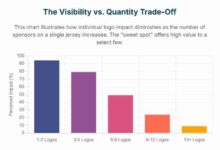
In order to maximize brand exposure for sponsors, it is essential to strategically showcase sponsor logos and branding at events or online. This not only benefits the sponsors but also enhances the overall visibility and credibility of the event or online platform.
Showcasing Sponsor Logos and Branding
- Display sponsor logos prominently at the event venue, such as on banners, backdrops, or signage.
- In online platforms, ensure sponsor logos are featured on the homepage, event pages, and social media posts.
- Include sponsor branding in event merchandise, such as t-shirts, caps, or bags, for added exposure.
Promoting Sponsors to a Wider Audience
- Offer sponsors opportunities for exclusive promotions or giveaways to attract a larger audience.
- Create engaging content that features sponsors, such as interviews, behind-the-scenes footage, or sponsored posts.
- Utilize influencer partnerships to reach a broader demographic and increase sponsor visibility.
Measuring and Communicating Sponsor Exposure
- Track metrics such as website traffic, social media engagement, and brand mentions to quantify sponsor exposure.
- Provide sponsors with detailed reports showcasing the reach and impact of their branding before, during, and after the event or online campaign.
- Utilize tools like Google Analytics or social media insights to gather data and analyze the effectiveness of sponsor exposure strategies.
Negotiating Sponsorship Agreements
Negotiating sponsorship agreements is a crucial part of securing a successful partnership with sponsors. It involves discussing and finalizing the terms and conditions that both parties agree upon. Here are some key points to consider and strategies to help you navigate the negotiation process effectively.
Key Points to Consider
- Clearly define the scope of the sponsorship agreement, including the duration, specific deliverables, and the rights and benefits provided to the sponsor.
- Set realistic expectations for both parties regarding the financial investment and the return on investment (ROI) that the sponsor can expect.
- Establish clear communication channels and responsibilities to ensure that both parties are aligned throughout the partnership.
- Include provisions for any potential changes or contingencies that may arise during the sponsorship period.
Strategies for Finding a Mutually Beneficial Agreement
- Highlight the unique value proposition that your event or organization can offer to the sponsor, focusing on how it aligns with their brand and target audience.
- Be open to negotiation and willing to compromise on certain terms to reach a mutually beneficial agreement that satisfies both parties.
- Showcase the potential for long-term partnership and growth, emphasizing the benefits of a continued relationship beyond the initial sponsorship agreement.
Common Pitfalls to Avoid During Sponsorship Negotiations
- Avoid being inflexible or unwilling to consider the perspective and needs of the sponsor, which can hinder the negotiation process and lead to a breakdown in communication.
- Do not oversell or promise more than you can deliver, as this can create unrealistic expectations and damage the credibility of your organization.
- Avoid rushing the negotiation process or making hasty decisions without fully evaluating the terms and implications of the agreement.
Securing In-Kind Sponsorship Contributions
When it comes to securing sponsorship for your event or project, in-kind sponsorships can be a valuable asset. In-kind sponsorships involve sponsors providing goods or services instead of monetary contributions, offering unique benefits for both parties involved.
Benefits of In-Kind Sponsorships
In-kind sponsorships can help reduce costs for the event organizer, provide access to resources that may not be easily attainable, and create mutually beneficial partnerships that go beyond financial transactions.
- Access to goods or services that are essential for the event
- Opportunity to showcase sponsor’s products or expertise
- Enhanced brand visibility through the utilization of sponsor’s offerings
- Potential for long-term relationships and collaborations
Examples of Valuable In-Kind Contributions
Some examples of valuable in-kind contributions sponsors can offer include:
- Providing catering services for an event
- Offering promotional items or merchandise with the sponsor’s branding
- Donating equipment or technology needed for the event
- Supplying transportation or logistical support
Approaching Potential Sponsors for In-Kind Support
When seeking in-kind support from potential sponsors, it’s essential to highlight the benefits they will receive in return. Here are some tips for approaching sponsors for in-kind contributions:
- Clearly outline the specific goods or services needed and how they align with the sponsor’s brand
- Emphasize the visibility and exposure the sponsor will receive through their in-kind contributions
- Offer creative ways to showcase the sponsor’s offerings during the event
- Propose a mutually beneficial partnership that goes beyond the event itself
Showcasing Successful Sponsorship Case Studies
In the world of sponsorship, successful collaborations between brands and events can lead to significant brand visibility and growth. Let’s explore some notable case studies that highlight the impact of sponsorship partnerships across different industries.
Sports Industry
- One of the most famous sponsorship case studies in the sports industry is Nike’s partnership with Michael Jordan. This collaboration not only boosted Nike’s brand visibility but also led to the creation of the iconic Air Jordan brand, which continues to be a bestseller in the market.
- Another successful example is Adidas’ sponsorship of major sporting events like the FIFA World Cup. By associating its brand with highly-watched sports events, Adidas has been able to reach a global audience and strengthen its brand presence in the sports industry.
Entertainment Industry
- Red Bull’s partnership with extreme sports events and athletes has been a game-changer in the entertainment industry. By sponsoring events like the Red Bull Stratos space jump and athletes like Felix Baumgartner, Red Bull has solidified its image as a brand that supports daring and innovative endeavors.
- Netflix’s sponsorship of popular TV shows and film festivals has also been a successful strategy for the entertainment giant. By associating its brand with quality content and prestigious events, Netflix has been able to attract a loyal audience and stay ahead in the competitive entertainment market.
Tech Industry
- Apple’s collaboration with music festivals like SXSW and Coachella has helped the tech giant connect with music enthusiasts and showcase its latest products to a diverse audience. This partnership has not only increased Apple’s brand visibility but also enhanced its reputation as a trendsetter in the tech industry.
- Google’s sponsorship of tech conferences and hackathons has been instrumental in promoting its innovative products and services. By supporting events that bring together tech enthusiasts and developers, Google has been able to engage with its target audience and drive brand growth in the competitive tech market.
Evaluating the ROI of Sponsorship Investments
In the world of sponsorships, evaluating the return on investment (ROI) is crucial to determine the effectiveness of your partnership. By tracking key performance indicators and analyzing the impact of your sponsorship activities, you can make informed decisions and improve future collaborations.
Methods for Measuring ROI
- Calculate the monetary value of benefits received from the sponsorship, such as increased sales, brand visibility, or customer engagement.
- Compare the costs of the sponsorship to the revenue generated or savings achieved as a direct result of the partnership.
- Conduct surveys or interviews to gather feedback from customers or attendees to assess their perception of the sponsorship.
Importance of Tracking Key Performance Indicators
- Monitoring key performance indicators (KPIs) allows you to measure the success of your sponsorship activities against specific goals and objectives.
- KPIs can include metrics like website traffic, social media engagement, brand mentions, lead generation, or event attendance.
- Tracking KPIs helps you understand the impact of your sponsorship on brand awareness, customer loyalty, and overall business growth.
Tips for Evaluating Sponsorship Effectiveness
- Set clear and measurable goals before entering into a sponsorship agreement to facilitate evaluation.
- Use tools like Google Analytics, social media insights, or customer feedback surveys to gather data for analysis.
- Regularly review and compare pre-sponsorship and post-sponsorship metrics to assess the changes and improvements brought about by the partnership.
Closing Notes
In conclusion, the journey of seeking sponsorship money is filled with potential for growth and success. By following the strategies outlined in this guide, you can effectively secure financial support and build lasting partnerships with sponsors.

Storyteller and digital explorer covering the latest updates in business and lifestyle.