Find a sponsor online opens up a world of opportunities for individuals and businesses seeking support. From understanding the basics to negotiating deals, this guide delves into the intricacies of online sponsorship.
Researching potential sponsors, creating compelling proposals, and building lasting relationships are just a few steps towards securing valuable sponsorships in the digital realm.





Understanding Sponsorship
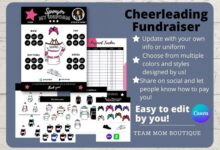
Sponsorship in the context of online platforms refers to a partnership between an individual or business and a sponsor who provides financial or other support in exchange for promotion or visibility. This collaboration can help both parties achieve their goals and reach a wider audience.
Benefits of Finding a Sponsor Online
- Financial Support: Online sponsors can provide funding for projects, events, or initiatives, helping individuals or businesses bring their ideas to life.
- Increased Visibility: By partnering with a sponsor online, individuals or businesses can access a larger audience and gain exposure through the sponsor’s network.
- Networking Opportunities: Sponsorships can lead to valuable connections in the industry, opening doors to new partnerships and collaborations.
- Brand Credibility: Aligning with a reputable sponsor online can enhance the credibility and reputation of the sponsored individual or business.
Examples of Successful Sponsorships Secured Online
- Podcast Sponsorship: Many podcasters secure sponsorships online from companies looking to reach their target audience through audio advertising.
- Social Media Influencer Partnerships: Influencers often collaborate with brands online to promote products or services to their followers in exchange for compensation.
- Online Event Sponsorship: Virtual events and webinars often seek sponsors to cover costs and enhance the attendee experience through additional resources or giveaways.
Researching Potential Sponsors
When looking for potential sponsors online, it is crucial to conduct thorough research to ensure a good fit between your organization and the sponsor. This involves understanding the sponsor’s background, values, and goals to create a mutually beneficial partnership. Leveraging social media and online tools can streamline the process of finding suitable sponsors.
Identifying Potential Sponsors Online
- Start by defining your target audience and objectives to narrow down potential sponsors that align with your organization’s mission.
- Utilize search engines and social media platforms to explore companies or individuals that have sponsored similar events or causes in the past.
- Join online communities or forums related to your industry to network and discover potential sponsors through word of mouth recommendations.
Importance of Researching Sponsor’s Background and Values
- Researching a sponsor’s background allows you to understand their reputation, credibility, and industry involvement to ensure they align with your organization’s values.
- Identifying a sponsor’s values and goals helps in tailoring your sponsorship pitch to resonate with their interests and objectives, increasing the likelihood of a successful partnership.
- By conducting thorough research, you can also anticipate any potential conflicts or misalignments that may arise during the sponsorship collaboration.
Leveraging Social Media and Online Tools
- Use social media platforms like LinkedIn to connect with potential sponsors, engage with their content, and showcase your organization’s work to capture their attention.
- Explore online databases and sponsorship platforms that match organizations with sponsors based on their criteria and interests.
- Attend virtual events, webinars, or networking sessions to interact with potential sponsors and establish relationships before pitching your sponsorship proposal.
Creating a Sponsorship Proposal
Creating a sponsorship proposal is a crucial step in securing funding and support for your online endeavors. A well-crafted proposal can help you attract the right sponsors and showcase the value you can offer them in return. Here are the key components that should be included in a sponsorship proposal:
Key Components of a Sponsorship Proposal
- Introduction: Provide a brief overview of your project or event and explain why you are seeking sponsorship.
- Background Information: Include details about your organization, audience demographics, and previous successful collaborations.
- Sponsorship Opportunities: Clearly outline the different levels of sponsorship and the benefits that sponsors can expect at each level.
- Benefits for Sponsors: Highlight the unique opportunities and exposure that sponsors will receive by partnering with you.
- Marketing and Promotion Plan: Detail how you plan to promote your sponsors before, during, and after the event or project.
- Budget and Financial Information: Provide a breakdown of your budget and how the sponsorship funds will be used.
- Contact Information: Include clear contact details for inquiries and follow-ups.
Examples of Successful Sponsorship Proposals
One successful sponsorship proposal for an online event included detailed sponsorship packages with customizable options, a clear ROI analysis for sponsors, and a well-crafted marketing plan showcasing sponsor visibility.
Tailoring a Proposal to Different Types of Sponsors
- For Corporate Sponsors: Focus on the potential for brand visibility, customer engagement, and corporate social responsibility alignment.
- For Small Businesses: Emphasize the local community impact, cost-effective marketing opportunities, and potential for business growth.
- For Individual Donors: Highlight the personal connection to your cause, the impact of their support, and the recognition they will receive.
Building an Online Presence
Creating a strong online presence is crucial in attracting potential sponsors in today’s digital age. Sponsors are more likely to invest in individuals or businesses that have a significant online following and engagement. Here are some tips on optimizing your social media profiles and websites to appeal to sponsors:
Optimizing Social Media Profiles
- Ensure your profile is complete with a professional profile picture, cover photo, and bio.
- Consistently post high-quality content that is relevant to your target audience and showcases your expertise.
- Engage with your followers by responding to comments, messages, and mentions in a timely manner.
- Use relevant keywords and hashtags to increase the visibility of your posts.
Optimizing Websites
- Ensure your website is visually appealing, easy to navigate, and optimized for mobile devices.
- Include a clear “Work with Me” or “Sponsorship Opportunities” section on your website.
- Showcase your achievements, testimonials, and past collaborations to demonstrate credibility.
- Regularly update your website with fresh content to keep visitors engaged and coming back for more.
Content Creation
- Create valuable and engaging content that resonates with your target audience and aligns with the interests of potential sponsors.
- Collaborate with other influencers or businesses to expand your reach and attract a larger audience.
- Showcase the unique value you can offer to sponsors through your content, whether it’s through storytelling, tutorials, or product reviews.
- Track the performance of your content using analytics to understand what resonates with your audience and adjust your strategy accordingly.
Networking and Relationship Building
Networking and relationship building are crucial aspects of finding sponsors online. Building strong connections with potential sponsors can lead to long-term partnerships and mutually beneficial collaborations.
Importance of Networking in Finding Sponsors Online
Networking is essential in finding sponsors online as it allows you to connect with individuals or organizations that share similar interests or values. By networking effectively, you can expand your reach, gain valuable insights, and increase your chances of finding the right sponsor for your project or event.
- Attend industry events, conferences, and networking functions to meet potential sponsors in person.
- Utilize social media platforms to connect with industry influencers and decision-makers.
- Join online communities, forums, and groups related to your niche to engage with potential sponsors.
Strategies for Building Relationships with Potential Sponsors
Building relationships with potential sponsors requires trust, transparency, and consistent communication. Here are some strategies to foster strong connections with sponsors:
- Personalize your outreach by addressing sponsors by name and highlighting specific reasons why you believe they would be a good fit for your project.
- Offer value to sponsors by showcasing how a partnership with your brand can benefit them and align with their goals.
- Follow up promptly and professionally after initial contact to show your continued interest and commitment.
Maintaining Long-Term Partnerships with Sponsors
To maintain long-term partnerships with sponsors, it is essential to deliver on your promises, communicate effectively, and show appreciation for their support. Here are some tips for nurturing lasting relationships with sponsors:
- Provide regular updates on the progress of your project or event and share success stories and milestones with sponsors.
- Express gratitude through thank-you notes, shoutouts on social media, or exclusive perks for sponsors.
- Seek feedback from sponsors on their experience working with you and be open to constructive criticism to improve future partnerships.
Negotiating Sponsorship Deals
Negotiating sponsorship deals online can be a complex process that requires careful consideration and strategic planning. It involves communicating with potential sponsors, understanding their needs and expectations, and reaching mutually beneficial agreements. Here are some tips on how to navigate the negotiation process effectively:
Determining Fair Sponsorship Terms and Benefits
When determining fair sponsorship terms and benefits, it is essential to consider the value that both parties bring to the table. Research the market rates for similar sponsorships in your industry to ensure that you are proposing competitive terms. Clearly outline the benefits that the sponsor will receive, such as brand exposure, access to your audience, and potential ROI. Be prepared to negotiate and be flexible in finding a solution that works for both parties.
Common Pitfalls to Avoid During Sponsorship Negotiations
– Rushing the negotiation process: Take the time to thoroughly discuss and understand each other’s needs and expectations to avoid misunderstandings.
– Being inflexible: Flexibility is key in negotiations. Be open to compromise and willing to adjust terms to reach a mutually beneficial agreement.
– Lack of communication: Clear and open communication is crucial throughout the negotiation process. Ensure that both parties are on the same page and address any concerns or questions promptly.
– Not clarifying expectations: Clearly define the scope of the sponsorship, including deliverables, timelines, and responsibilities, to avoid conflicts later on.
– Overpromising: Be realistic about what you can offer to the sponsor and avoid making promises that you cannot fulfill. Transparency is essential for building trust in the relationship.
Measuring Sponsorship ROI
When it comes to online sponsorships, measuring the return on investment (ROI) is crucial for both sponsors and sponsored parties. It allows them to understand the impact of the sponsorship and make informed decisions for future collaborations.
Key Metrics for Measuring Success
- Website Traffic: Monitor the increase in website visitors during the sponsorship period to gauge the effectiveness of the partnership.
- Social Media Engagement: Track likes, shares, comments, and other interactions on social media platforms to assess the reach and impact of sponsored content.
- Conversion Rates: Measure the number of leads or sales generated as a result of the sponsorship to determine its direct impact on revenue.
- Brand Awareness: Conduct surveys or analyze brand mentions to evaluate the visibility and recognition gained through the sponsorship.
Importance of Tracking ROI
Tracking ROI is essential for sponsors to justify their investment and evaluate the effectiveness of their marketing strategies. For sponsored parties, it helps demonstrate the value they provide to sponsors and refine their approach to attract future partnerships.
Tools for Measuring Sponsorship ROI
- Google Analytics: Provides detailed insights into website traffic, user behavior, and conversion rates, allowing sponsors to track the impact of their sponsorship.
- Social Media Analytics Tools: Platforms like Hootsuite, Sprout Social, or Buffer offer analytics features to monitor social media performance and engagement metrics.
- Email Marketing Software: Tools like MailChimp or Constant Contact enable sponsors to track email campaign effectiveness and conversion rates.
Legal Considerations
When securing sponsors online, it is crucial to pay attention to the legal aspects involved to protect both parties’ interests. Having clear contracts and agreements in place is essential to ensure a successful sponsorship deal and avoid any potential conflicts or misunderstandings.
Importance of Clear Contracts
Clear contracts lay out the terms and conditions of the sponsorship deal, including the rights and obligations of both the sponsor and the sponsored party. These contracts serve as a legal document that binds both parties to the agreed-upon terms, reducing the risk of disputes in the future.
Tips for Protecting Interests
- Specify the scope of the sponsorship agreement, outlining the deliverables and expectations from both parties.
- Include clauses for termination or modification of the agreement to address unforeseen circumstances.
- Define the payment terms, including the amount, schedule, and any penalties for late payments.
- Address intellectual property rights to protect the sponsor’s brand and the sponsored party’s content.
- Consider including a confidentiality clause to safeguard sensitive information shared during the sponsorship deal.
Case Studies
In this section, we will analyze successful online sponsorship case studies from various industries and discuss what made these sponsorships successful and replicable. We will also highlight key takeaways for individuals or businesses looking to find sponsors online.
Successful Online Sponsorship Case Studies
- One successful online sponsorship case study is the partnership between Nike and professional athletes. Nike sponsors top athletes like Serena Williams and Cristiano Ronaldo, leveraging their popularity and success to promote their brand. The key takeaway here is to align your brand with influencers who resonate with your target audience.
- Another notable case study is the collaboration between Red Bull and extreme sports events. Red Bull sponsors events like the Red Bull Air Race and Red Bull Rampage, creating engaging content and reaching a wide audience. The lesson here is to invest in unique and exciting sponsorship opportunities that capture attention.
- A third example is the partnership between Coca-Cola and music festivals. Coca-Cola sponsors festivals like Coachella and Lollapalooza, connecting with a young and energetic demographic. The takeaway is to engage with your audience in meaningful ways through event sponsorships.
Future Trends in Online Sponsorship
In today’s rapidly evolving digital landscape, online sponsorship opportunities continue to expand and transform. As technology advances and social media platforms gain more prominence, the ways in which brands engage with audiences through sponsorships are also changing. Let’s delve into the emerging trends that are shaping the future of online sponsorship.
The Rise of Virtual Events and Experiences
With the shift towards virtual interactions, especially in light of recent global events, brands are increasingly turning to online events and experiences as a way to connect with their target audience. From virtual conferences and webinars to online concerts and virtual reality experiences, the opportunities for sponsorship in the digital realm are limitless. Brands can now reach a global audience from the comfort of their own home, opening up new possibilities for creative and engaging sponsor activations.
- Virtual events allow for real-time engagement and interaction with attendees, offering a more personalized sponsor experience.
- Brands can leverage virtual platforms to showcase products, services, and brand messaging in innovative ways, creating memorable experiences for participants.
- Sponsorship of virtual events provides brands with valuable data and insights on attendee behavior and engagement, enabling them to tailor future sponsorship strategies more effectively.
Augmented Reality (AR) and Influencer Marketing
As augmented reality technology becomes more accessible, brands are exploring new ways to incorporate AR experiences into their sponsorship strategies. By partnering with influencers who have a strong online presence, brands can leverage AR filters and effects to create interactive and engaging content that resonates with their target audience.
- AR-powered sponsor activations can drive user participation and brand awareness, creating a more immersive and memorable experience for consumers.
- Influencers play a crucial role in amplifying brand messages and reaching a wider audience, making them valuable partners for brands seeking to enhance their online sponsorship initiatives.
- By combining AR technology with influencer marketing, brands can create unique and shareable content that drives engagement and fosters brand loyalty among consumers.
End of Discussion
As you navigate the realm of finding sponsors online, remember that success often hinges on a strong online presence, effective networking, and strategic negotiation. By leveraging these tools and insights, you can pave the way for fruitful partnerships and mutual growth.

Storyteller and digital explorer covering the latest updates in business and lifestyle.