Sponsorship proposal sets the stage for this enthralling narrative, offering readers a glimpse into a story that is rich in detail and brimming with originality from the outset. In the competitive world of business partnerships, a well-crafted sponsorship proposal can make all the difference.
As organizations strive to secure valuable sponsorships, the process of creating a compelling proposal requires careful planning, research, and a deep understanding of what sponsors are looking for.





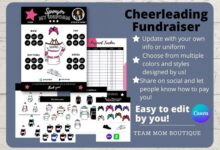
Overview of Sponsorship Proposals
Sponsorship proposals are formal documents created by organizations seeking financial support or partnership from other businesses or individuals. These proposals outline the benefits and opportunities that the sponsor will gain by associating with the event, organization, or project.
Key components typically included in a sponsorship proposal are:
– Introduction: Background information about the event/organization seeking sponsorship.
– Objectives: Clear goals and what the sponsorship will help achieve.
– Audience: Demographics and reach of the event/organization.
– Benefits: Detailed explanation of what the sponsor will receive in return for their support.
– Packages: Different levels of sponsorship and associated benefits.
– Budget: Breakdown of costs and how the sponsorship funds will be utilized.
– Contact Information: Details on how to get in touch to discuss the proposal further.
Successful examples of sponsorship proposals include partnerships like Nike sponsoring the Olympics, Coca-Cola sponsoring FIFA World Cup, or local businesses sponsoring charity events in their community. These proposals effectively showcase the value proposition for sponsors and align with their marketing objectives.
Research and Planning
Research and planning are crucial steps in creating a successful sponsorship proposal. By conducting thorough research and strategically planning your approach, you can increase the chances of securing sponsorships that align with your organization’s goals and objectives.
Identifying potential sponsors that align with the organization’s goals involves researching companies or individuals that share similar values, target audiences, or interests. It’s important to consider the relevancy of potential sponsors to ensure a meaningful partnership that benefits both parties.
Setting clear objectives and goals for the sponsorship proposal is essential for outlining what you hope to achieve through the partnership. Whether it’s raising brand awareness, increasing revenue, or supporting a specific cause, clearly defining your goals will help you tailor your proposal to meet the sponsor’s needs and expectations.
Crafting a Compelling Proposal
To tailor a sponsorship proposal to a specific sponsor’s needs and interests, it is crucial to conduct thorough research on the sponsor’s brand, values, target audience, and marketing objectives. This will help in customizing the proposal to align with what the sponsor is looking for and how they can benefit from the partnership.
Elements of a Compelling Sponsorship Proposal
- Clear Objectives: Clearly outline what the sponsor can expect to achieve from the partnership in terms of brand visibility, reach, and engagement.
- Benefits for the Sponsor: Highlight the unique benefits and value proposition that the sponsor will gain by partnering with your organization.
- Tailored Packages: Offer customized sponsorship packages that cater to the sponsor’s specific needs and budget constraints.
- Engaging Storytelling: Use compelling storytelling to showcase how the partnership can create a meaningful and impactful connection with the sponsor’s target audience.
- Measurable ROI: Include metrics and key performance indicators to demonstrate the potential return on investment for the sponsor.
Making the Proposal Visually Appealing and Professional
- Branding: Incorporate the sponsor’s logo, colors, and brand elements throughout the proposal to create a cohesive and branded look.
- Visuals: Use high-quality images, infographics, and charts to visually represent data and key points in a visually appealing way.
- Formatting: Ensure the proposal is well-organized, easy to read, and visually engaging by using a clean layout, appropriate fonts, and spacing.
- Professionalism: Proofread the proposal for any errors, typos, or inconsistencies to maintain a high level of professionalism and attention to detail.
Value Proposition
In a sponsorship proposal, it is crucial to clearly articulate the value proposition for the sponsor. This involves demonstrating the benefits and return on investment (ROI) that the sponsor can expect from the partnership. A compelling value proposition highlights what the sponsor will gain from the sponsorship and why it is worth their investment.
Demonstrating Benefits and ROI
- Detail the specific benefits the sponsor will receive, such as brand exposure, access to a target audience, or networking opportunities.
- Showcase past successful sponsorships and the positive outcomes achieved, including increased brand awareness or sales.
- Provide data or metrics to support the potential ROI for the sponsor, such as projected reach, engagement levels, or conversion rates.
- Highlight any unique opportunities or exclusive perks that the sponsor will receive through the partnership.
Creative Value Proposition Examples
- Offering customized activation opportunities that align with the sponsor’s brand values and target audience, creating a more personalized and impactful experience.
- Implementing interactive elements or gamification strategies to engage event attendees and increase brand visibility for the sponsor.
- Providing access to exclusive behind-the-scenes experiences or VIP events that enhance the sponsor’s relationship with their target market and drive brand loyalty.
- Developing co-branded content or collaborative marketing campaigns that leverage the strengths of both the sponsor and the event or organization for mutual benefit.
Sponsorship Benefits and Packages
When offering sponsorship opportunities, it is crucial to provide various benefits to attract sponsors and meet their objectives effectively. Tailoring sponsorship packages to the sponsor’s budget and goals can enhance the value proposition and increase the likelihood of securing partnerships.
Types of Sponsorship Benefits
- Logo Placement: Displaying sponsor logos on promotional materials, websites, and event signage.
- Branding Opportunities: Offering exclusive branding rights for specific areas or events.
- Advertising Exposure: Providing advertisement space in event programs, newsletters, or social media platforms.
- Networking Opportunities: Facilitating interactions with key industry players and potential clients.
- Complimentary Tickets: Offering free or discounted tickets to events for sponsor representatives.
Creating Different Sponsorship Packages
- Basic Package: Entry-level sponsorship with logo placement and minimal benefits.
- Standard Package: Mid-tier sponsorship with a mix of branding, advertising, and networking opportunities.
- Premium Package: Top-tier sponsorship with exclusive branding rights, premium advertising exposure, and VIP experiences.
- Customized Packages: Tailoring sponsorship benefits to specific sponsor objectives and budget constraints.
Importance of Variety in Benefits
Including a variety of benefits in sponsorship packages is essential to appeal to different types of sponsors. Some sponsors may prioritize brand visibility, while others may value networking opportunities or complimentary tickets. By offering a range of benefits, sponsors can choose packages that align with their goals, leading to more successful partnerships.
Budget and Pricing
Determining the appropriate pricing for sponsorship packages is crucial in creating a compelling proposal that offers value to both parties involved. When setting a budget for a sponsorship proposal, several factors should be taken into consideration to ensure a mutually beneficial agreement with potential sponsors.
Factors to Consider when Setting a Budget
- Evaluate the reach and demographics of your target audience to determine the value of the sponsorship opportunity.
- Consider the level of exposure and visibility the sponsor will receive through various marketing channels.
- Factor in the costs associated with executing the sponsorship activation, such as event production, collateral materials, and promotional campaigns.
- Research industry benchmarks and competitor sponsorship packages to stay competitive and attractive to sponsors.
Tips for Negotiating Pricing with Sponsors
- Highlight the unique benefits and opportunities that your sponsorship proposal can offer to the sponsor.
- Be prepared to justify your pricing by presenting data on the potential return on investment for the sponsor.
- Listen to the sponsor’s needs and objectives, and tailor your proposal to align with their marketing goals.
- Offer flexibility in pricing options, such as tiered packages or customizable sponsorship opportunities, to accommodate different budget levels.
Proposal Presentation and Delivery
When it comes to presenting a sponsorship proposal to potential sponsors, it is crucial to be strategic and professional. Your approach can greatly impact the sponsor’s decision-making process. Here are some suggestions on how to effectively present your proposal and maintain communication with the sponsor:
Effective Presentation Strategies
- Start by personalizing the proposal to the specific sponsor. Show that you have done your research and understand their brand and target audience.
- Focus on the key benefits and value proposition that your sponsorship can offer to the sponsor. Highlight how the partnership can help them achieve their marketing objectives.
- Use visuals and data to support your proposal. Include statistics, case studies, and examples of successful partnerships to demonstrate the potential success of the collaboration.
- Be clear and concise in your presentation. Avoid overwhelming the sponsor with too much information. Stick to the most important points that will resonate with the sponsor.
Delivery Methods
- Consider delivering the proposal in person for a more personal touch. This allows you to gauge the sponsor’s reactions and address any questions or concerns on the spot.
- If an in-person meeting is not possible, send the proposal via email with a personalized message. Be sure to follow up with a phone call to discuss the proposal and answer any questions the sponsor may have.
- You can also opt to present the proposal through a virtual meeting or video conference. This allows for a more interactive presentation while still maintaining a personal connection with the sponsor.
Follow-up Strategies
- After presenting the proposal, follow up with a thank you note expressing your gratitude for their time and consideration. Reiterate the key points discussed during the presentation.
- Stay in touch with the sponsor by providing regular updates on the status of the proposal and any new developments. Keep the lines of communication open to address any concerns or additional information the sponsor may need.
- Set up a timeline for follow-up meetings or calls to discuss the proposal further. This shows your commitment to the partnership and keeps the sponsor engaged throughout the decision-making process.
Evaluating Success and Adjusting Strategies
Tracking and evaluating the success of sponsorship proposals is crucial in determining the effectiveness of your partnerships and ensuring that your objectives are being met. By analyzing feedback and metrics, you can make informed decisions to adjust strategies for future sponsorship proposals.
Key Metrics for Measuring Effectiveness
- Return on Investment (ROI): Calculate the revenue generated compared to the cost of the sponsorship.
- Brand Awareness: Measure the increase in brand recognition and visibility among the target audience.
- Engagement Metrics: Evaluate the level of audience interaction and participation in sponsored events or campaigns.
- Lead Generation: Track the number of leads or conversions generated as a result of the sponsorship.
Analyzing Feedback and Adjusting Strategies
- Collect feedback from sponsors, participants, and stakeholders to gain insights on what worked well and areas for improvement.
- Review post-event surveys, social media mentions, and press coverage to gauge the overall reception of the sponsorship.
- Identify trends and patterns in the data to understand the impact of the sponsorship on brand perception and audience engagement.
- Use the feedback and analysis to refine your sponsorship strategies, tailor proposals to better meet sponsor objectives, and enhance the overall partnership experience.
Legal and Contractual Considerations
When it comes to entering into a sponsorship agreement, there are several legal aspects that both parties need to consider in order to protect their interests. A well-drafted sponsorship contract is essential to outline the rights and obligations of each party and mitigate potential risks.
Key Elements in a Sponsorship Contract
- Identification of the parties involved
- Scope of the sponsorship agreement
- Duration of the sponsorship
- Financial terms, including sponsorship fees and payment schedule
- Intellectual property rights and permitted use of trademarks
- Termination clauses and conditions
- Confidentiality provisions
- Indemnification and liability limitations
Common Clauses in Sponsorship Contracts
- Exclusivity clause: Ensures that the sponsor is the only company in its industry to have rights associated with the event or property.
- Performance obligations: Outlines the specific promotional activities the sponsor is required to undertake.
- Renewal terms: Specifies the conditions under which the sponsorship agreement can be renewed for subsequent periods.
- Force majeure clause: Addresses unforeseeable circumstances that may impact the performance of the contract.
- Dispute resolution: Specifies the process for resolving any disputes that may arise between the parties.
Industry Trends and Innovations
Industry trends and innovations play a crucial role in shaping the landscape of sponsorship proposals and partnerships. Staying updated with the latest developments can give organizations a competitive edge and help them adapt their strategies accordingly.
Innovative Sponsorship Activation Strategies
In today’s digital age, organizations are increasingly focusing on innovative activation strategies to engage audiences and create memorable experiences. This includes leveraging technologies such as augmented reality (AR) and virtual reality (VR) to deliver immersive brand experiences at events or through digital platforms.
- Utilizing AR/VR technologies to create interactive experiences for sponsors and attendees.
- Implementing personalized and targeted marketing campaigns using data analytics and AI.
- Exploring new platforms such as live streaming and social media for real-time engagement.
Growing Importance of Sustainability in Sponsorship
With a rising emphasis on sustainability and corporate social responsibility, organizations are incorporating these values into their sponsorship proposals. Sponsors are increasingly looking for partnerships that align with their sustainability goals and make a positive impact on the environment and society.
- Developing eco-friendly initiatives and green practices for events and activations.
- Partnering with organizations that support social causes and community development.
- Highlighting sustainability efforts and impact in sponsorship packages to attract like-minded partners.
Rise of Virtual Sponsorship Opportunities
The shift towards virtual events and digital experiences has opened up new opportunities for sponsorship in the virtual realm. Organizations are exploring virtual sponsorship packages that offer unique branding and engagement opportunities in online settings.
- Creating virtual event spaces with customizable sponsorship options for branding and visibility.
- Integrating sponsored content seamlessly into digital platforms and live streams.
- Measuring virtual sponsorship ROI through metrics such as online engagement, click-through rates, and social media interactions.
Closing Notes
In conclusion, mastering the art of sponsorship proposals can open doors to exciting collaborations and partnerships. By following the outlined strategies and staying attuned to industry trends, organizations can enhance their sponsorship efforts and achieve remarkable success.

Storyteller and digital explorer covering the latest updates in business and lifestyle.