As sponsorship deck takes center stage, this opening passage beckons readers into a world crafted with good knowledge, ensuring a reading experience that is both absorbing and distinctly original. A sponsorship deck is a crucial tool for securing sponsorships, encompassing elements that can elevate a brand’s appeal to potential sponsors. From understanding target audiences to incorporating compelling visuals, every aspect plays a vital role in creating a successful sponsorship deck.
Introduction to Sponsorship Decks
A sponsorship deck is a comprehensive presentation or proposal created by individuals or organizations seeking sponsorship for an event, project, or initiative. It serves as a tool to showcase the value and benefits sponsors can gain by partnering with the entity. Crafting a compelling sponsorship deck is crucial in attracting potential sponsors and securing valuable partnerships.





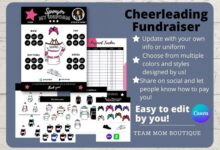
Elements of a Sponsorship Deck
A well-designed sponsorship deck typically includes:
- Overview of the event or project
- Demographics of the target audience
- Sponsorship packages and benefits
- Previous sponsors and success stories
- Marketing and promotional opportunities
- Budget breakdown and financial details
Importance of a Well-Crafted Sponsorship Deck
A well-crafted sponsorship deck can significantly enhance a brand’s chances of securing sponsorships by effectively communicating the value proposition and return on investment for potential sponsors. It showcases professionalism, attention to detail, and a clear understanding of the sponsor’s needs and objectives. A compelling sponsorship deck can differentiate an entity from competitors and create a lasting impression on sponsors.
Understanding Target Audience
Understanding the target audience is crucial when creating a sponsorship deck as it helps tailor the content to resonate with the specific group of individuals or businesses that the sponsorship opportunity is targeting. By understanding the demographics, interests, behaviors, and needs of the target audience, sponsors can better communicate their brand message and value proposition effectively.
Methods for Researching and Defining the Target Audience
- Conduct surveys and questionnaires to gather data on demographics, preferences, and buying habits of the target audience.
- Analyze social media insights and website analytics to understand the online behavior of the target audience.
- Study market research reports and industry trends to identify key characteristics of the target audience.
- Engage in focus groups or interviews with existing customers or potential sponsors to gain firsthand insights.
Tailoring the Sponsorship Deck for Increased Effectiveness
Tailoring the sponsorship deck to the target audience can significantly enhance its effectiveness by speaking directly to their needs, interests, and preferences. This customization can be achieved by:
- Using language and visuals that resonate with the target audience’s communication style and aesthetics.
- Highlighting how the sponsorship opportunity aligns with the values and objectives of the target audience.
- Presenting data and case studies that demonstrate the potential impact and benefits of the sponsorship for the target audience.
- Personalizing the sponsorship proposal to address specific pain points or challenges faced by the target audience.
Crafting Compelling Visuals
Visuals play a crucial role in a sponsorship deck as they have the power to capture the attention of the audience, communicate key messages effectively, and enhance the overall presentation. Compelling visuals can help reinforce branding, create a professional look, and make the content more engaging for potential sponsors.
Tips for Creating Visually Appealing Graphics and Layouts
Creating visually appealing graphics and layouts in a sponsorship deck requires attention to detail and a good eye for design. Here are some tips to help you craft compelling visuals:
- Use high-quality images and graphics that are relevant to the content and align with the brand aesthetic.
- Choose a consistent color scheme and font style to maintain visual coherence throughout the deck.
- Utilize white space effectively to prevent clutter and allow key information to stand out.
- Incorporate infographics, charts, and graphs to present data in a visually engaging way.
- Ensure that the layout is clean and organized, with a logical flow of information from one slide to the next.
Examples of Successful Visual Elements Used in Sponsorship Decks
Successful sponsorship decks often incorporate the following visual elements to enhance their appeal and effectiveness:
- Branded imagery and logos that reinforce the sponsor’s identity and create a sense of partnership.
- Eye-catching headlines and key messages presented in a visually appealing format to grab attention.
- Creative use of typography, color, and design elements to evoke emotions and make the content memorable.
- Interactive elements such as clickable links, videos, or animations to engage the audience and provide a dynamic experience.
- Well-designed call-to-action buttons that prompt sponsors to take the desired next steps after reviewing the deck.
Highlighting Sponsorship Benefits
When creating a sponsorship deck, it is crucial to effectively highlight the benefits that potential sponsors can gain from partnering with your organization or event. By showcasing the unique value propositions and presenting the benefits clearly and compellingly, you can attract the interest of sponsors and secure valuable partnerships.
Key Benefits for Sponsors
- Increased brand visibility and exposure to a target audience
- Opportunities for brand activation and engagement
- Access to a specific demographic or market segment
- Enhanced reputation and credibility through association
- Potential for networking and building relationships with industry leaders
Showcasing Unique Value Propositions
- Highlight what sets your organization or event apart from others
- Emphasize the benefits that sponsors can exclusively gain from partnering with you
- Demonstrate the impact and reach of your sponsorship opportunities
Strategies for Presenting Benefits
- Use compelling visuals and storytelling to illustrate the benefits effectively
- Provide data and statistics to support the potential ROI for sponsors
- Create customized sponsorship packages that align with the sponsor’s goals and objectives
- Showcase testimonials or success stories from past sponsors to build credibility
Incorporating Data and Statistics
Data and statistics play a crucial role in strengthening the credibility of a sponsorship deck. By including relevant data, you can support your claims with concrete evidence and provide potential sponsors with valuable insights into the benefits of partnering with your organization.
Researching and Incorporating Data
- Utilize market research reports, industry studies, and surveys to gather data that resonates with potential sponsors.
- Explore case studies and success stories that showcase the impact of previous sponsorships, backed by statistical evidence.
- Collaborate with internal teams to collect data on audience demographics, engagement metrics, and brand visibility to present a comprehensive picture to sponsors.
Strengthening Proposal Credibility
- Include key performance indicators (KPIs) and metrics to demonstrate the effectiveness of past sponsorships and the potential return on investment for sponsors.
- Highlight relevant statistics related to brand exposure, audience reach, and engagement levels to showcase the value proposition for sponsors.
- Present data-driven insights in a visually appealing format, such as infographics or charts, to make the information easily digestible and impactful.
Structuring a Persuasive Narrative
Storytelling is a powerful tool in a sponsorship deck as it helps create an emotional connection with sponsors. By weaving a compelling narrative throughout the deck, sponsors are more likely to be engaged and invested in the message being conveyed.
When structuring a persuasive narrative in a sponsorship deck, it is essential to follow a coherent flow that takes sponsors on a journey from start to finish. Here are some tips to help you craft a narrative that captivates sponsors:
Creating a Compelling Storyline
To start, begin with a strong opening that grabs the sponsors’ attention and clearly communicates the purpose of the sponsorship. Introduce the key characters, whether it’s the event, organization, or cause, and establish the setting to provide context.
- Develop a storyline that highlights the journey or impact of the sponsorship, showcasing the transformation or success achieved through the partnership.
- Use anecdotes, testimonials, or real-life examples to add a human touch and make the narrative relatable to sponsors.
- Ensure a logical progression from one point to the next, building anticipation and leading sponsors towards the desired outcome.
Emphasizing Benefits through Storytelling
Incorporate storytelling to emphasize the benefits of sponsorship, illustrating how sponsors’ support can make a tangible difference. Highlight success stories, milestones achieved, or challenges overcome to showcase the value of the partnership.
By integrating storytelling into your sponsorship deck, you can create a memorable and impactful experience that resonates with sponsors on a deeper level.
Examples of Successful Storytelling Techniques
One effective storytelling technique is to use visuals such as images, videos, or infographics to enhance the narrative and evoke emotions. Additionally, incorporating a call-to-action that aligns with the storyline can motivate sponsors to take the desired next steps.
- Case studies that demonstrate the positive outcomes of previous sponsorships can serve as powerful storytelling tools, providing concrete evidence of the benefits of partnership.
- Personalizing the narrative by sharing personal stories or experiences related to the sponsorship can create a connection with sponsors and foster a sense of trust and authenticity.
- Utilizing a consistent tone and voice throughout the deck helps maintain coherence and reinforces the narrative, ensuring a seamless flow from beginning to end.
Call-to-Action and Contact Information
Having a clear call-to-action in a sponsorship deck is crucial as it guides potential sponsors on what steps to take next. It serves as a direct prompt for sponsors to engage with your proposal and make a decision.
When including contact information in a sponsorship deck, it should be easily accessible for interested sponsors. This means placing contact details prominently on each slide or at the end of the deck so that sponsors can quickly reach out for more information or to express their interest.
Creating Compelling Calls-to-Action
1. Clearly state the desired action: Your call-to-action should be direct and specific, outlining exactly what you want the sponsor to do next, whether it’s scheduling a meeting, signing a contract, or visiting a website.
2. Use persuasive language: Make your call-to-action compelling by using action-oriented words that encourage sponsors to take immediate steps. Phrases like “Join us today” or “Secure your sponsorship now” can motivate sponsors to act.
3. Create a sense of urgency: Incorporate a sense of urgency in your call-to-action to prompt sponsors to act quickly. Limited-time offers or exclusive opportunities can drive sponsors to make decisions promptly.
4. Make it visually stand out: Use design elements such as bold fonts, contrasting colors, or buttons to make your call-to-action visually appealing and easy to spot within the sponsorship deck.
Testimonials and Case Studies
Including testimonials and case studies from past sponsors in a sponsorship deck can add significant value by showcasing real experiences and outcomes. These personal accounts serve as social proof, building credibility and trust with potential sponsors. Here are some tips for leveraging testimonials effectively:
Building Credibility and Trust
- Choose testimonials that highlight specific benefits or results achieved by past sponsors.
- Include testimonials from sponsors with recognizable names or brands to enhance credibility.
- Ensure testimonials are authentic and provide specific details to make them more compelling.
- Use quotes or case studies that demonstrate a strong partnership and successful outcomes.
Strengthening a Sponsorship Pitch
- Integrate testimonials strategically throughout the deck to reinforce key messages and benefits.
- Showcase case studies that illustrate successful partnerships and the impact of sponsorship on the sponsor’s goals.
- Use visuals such as logos or images alongside testimonials to enhance their impact.
- Include data or statistics that support the testimonials and add credibility to the claims made.
Formatting and Presentation Tips
When creating a sponsorship deck, it’s crucial to pay attention to the formatting and presentation to ensure easy readability and navigation for your audience. Consistency in design elements and branding throughout the deck plays a significant role in creating a cohesive and professional look. Here are some tips to help you deliver a polished and engaging presentation:
Consistency in Design Elements
Ensure that the design elements such as colors, fonts, and layout remain consistent throughout the sponsorship deck. Consistency helps in creating a cohesive and branded look, making it easier for the audience to follow along and understand the content.
Use of Visuals
Incorporate compelling visuals such as images, infographics, and graphs to break up the text and make the content more engaging. Visuals can help in highlighting key points and data, making it easier for the audience to grasp the information.
Clear and Concise Content
Keep the content clear, concise, and to the point. Avoid cluttering the slides with too much text and focus on delivering key messages effectively. Use bullet points and short paragraphs to enhance readability.
Engage with the Audience
Engage with your audience by telling a compelling story that resonates with them. Use real-life examples, case studies, and testimonials to showcase the benefits of sponsoring your event or organization. This personal touch can make a lasting impact on the audience.
Practice and Rehearse
Practice your presentation multiple times to ensure a smooth delivery. Rehearse in front of a mirror or with a small group to gain confidence and refine your delivery. A well-rehearsed presentation comes across as polished and professional.
Closure
In conclusion, a well-crafted sponsorship deck can be the key to unlocking valuable partnerships and opportunities for brands. By focusing on key elements like target audience understanding, visual appeal, data incorporation, persuasive storytelling, and effective calls-to-action, brands can set themselves apart in the competitive sponsorship landscape. Crafting a sponsorship deck that resonates with sponsors and showcases unique value propositions is essential for securing long-lasting partnerships and achieving brand growth.

Storyteller and digital explorer covering the latest updates in business and lifestyle.